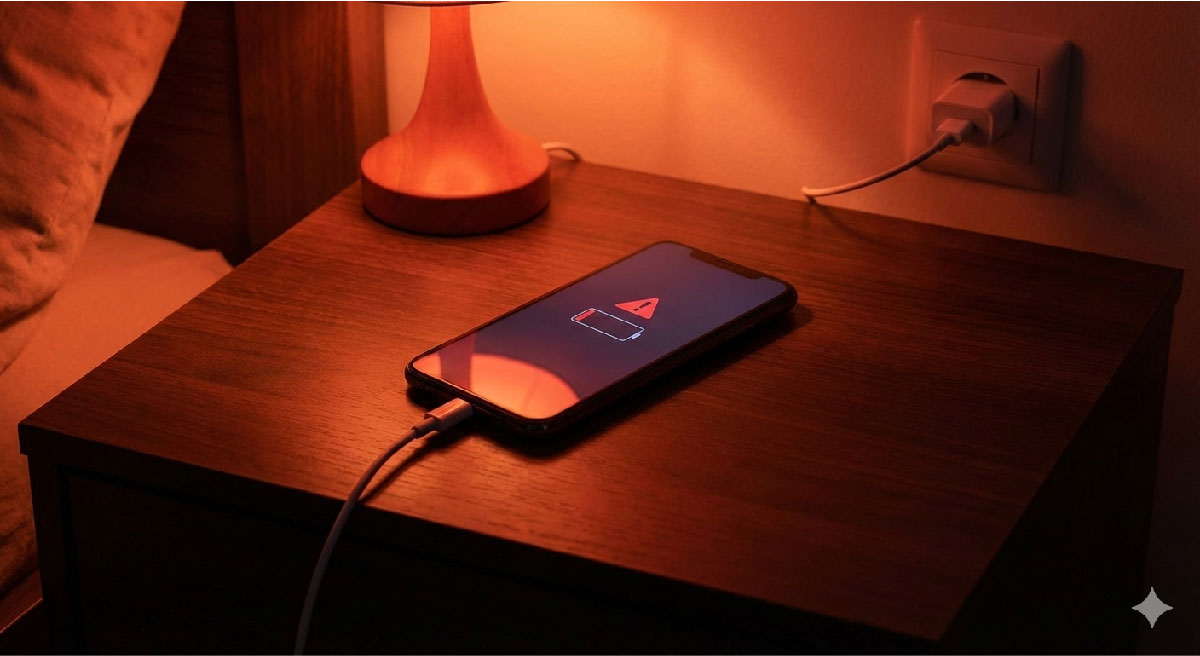
You probably do it without thinking. Your phone hits 15%, you plug it in. It reaches 100%, you unplug it. Then a few hours later, it’s back down to 40%, so you top it off again. Seems harmless, right?
That constant cycle of plugging and unplugging throughout the day is actually wearing down your battery faster than you realize. Most people don’t notice because it happens gradually, over months. But that battery that used to last all day? It’s not aging naturally. You’re speeding up the process.
1. Why your battery isn’t like a gas tank
We treat phone batteries like car fuel tanks. Empty means fill it up. Full means you’re good to go. But lithium-ion batteries don’t work that way.
Every time your battery charges from 0% to 100%, that counts as one charge cycle. But here’s the thing: you don’t have to drain it completely or fill it completely for it to count. If you charge from 50% to 100% twice, that’s still one full cycle. Your phone is counting.
Most smartphone batteries are designed to handle around 500 to 800 full cycles before they start losing significant capacity. After that, you’ll notice your phone dying faster, heating up more, or shutting down unexpectedly. The math isn’t complicated. More cycles means faster degradation.
2. The charging habit that’s killing your battery
Charging your phone multiple times a day, especially those little top-ups when you’re at 60% or 70%, adds up faster than you think. It feels productive, like you’re staying prepared. But you’re actually burning through charge cycles unnecessarily.
Think about it this way: someone who charges once a day from 20% to 80% is using their battery very differently than someone who plugs in five times a day for short bursts. Same phone, same apps, completely different battery lifespan.
The person doing constant top-ups might go through two or three charge cycles in a single day without realizing it. That’s 700 to 1,000 cycles in a year. Meanwhile, the person charging once daily might only use 365 cycles in the same time period.
3. Heat makes everything worse
Every time you charge your phone, it generates heat. Not much, but enough to matter over time. When you’re constantly plugging and unplugging, you’re creating repeated heat cycles throughout the day.
Batteries hate heat. It breaks down the chemical components inside faster than almost anything else. That’s why your phone feels warm when it’s charging, and why leaving it in a hot car is terrible for battery health.
Charging multiple times means multiple heating periods. Add in using your phone while it’s charging—watching videos, playing games, video calls—and you’re compounding the problem. The battery is working to charge while also powering whatever you’re doing, generating even more heat.
4. The sweet spot nobody talks about
Battery experts have known for years that keeping your charge level between 20% and 80% extends battery life significantly. But that’s not how most people use their phones.
We’ve been conditioned to aim for 100%. It feels satisfying to see that full battery icon. Letting it drop below 20% makes us anxious. But both extremes stress the battery more than the middle range.
When your battery sits at 100% for hours—like overnight charging—it’s under voltage stress. When it drops near 0%, the cells are strained trying to deliver power. The middle zone is where batteries are most comfortable.
5. What overnight charging actually does
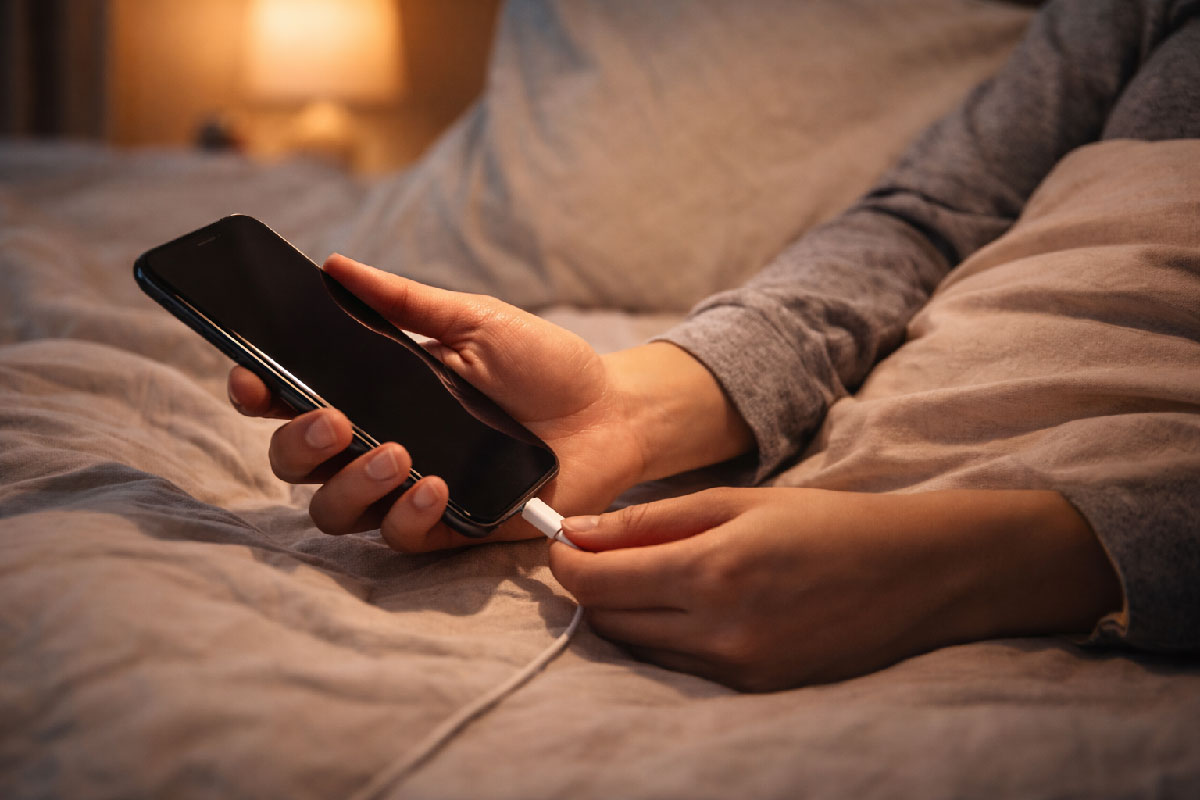
Leaving your phone plugged in all night seems convenient, but modern phones hit 100% in about two hours. The rest of the night, your phone trickle charges, repeatedly topping off as the battery naturally drops a percentage point or two.
That’s dozens of tiny charge cycles every night while you sleep. Plus, the phone stays warm under your pillow or on your nightstand, trapped against fabric or a wooden surface that holds heat.
Some newer phones have optimized charging features that learn your schedule and delay the final 20% until right before you wake up. But not everyone enables these settings, and older phones don’t have them at all.
6. Breaking the cycle without going extreme
You don’t need to become obsessive about battery percentages or buy special charging equipment. Small changes make a real difference.
Charge when you actually need it, not just because you’re near an outlet. Let your battery drop to 20% or 30% before plugging in, and unplug around 80% if you remember. One solid charge session is better than five quick ones.
If you charge overnight, consider plugging in right before bed instead of when you get home from work. That reduces the total time your phone sits at 100%.
7. Your battery’s actual lifespan
Most people keep their phones for two to three years. If you’re charging multiple times daily with lots of heat exposure, you’ll notice battery problems within 18 months. If you’re more mindful about charging habits, that same battery might stay healthy for three years or longer.
The difference isn’t dramatic day to day. But over months, it compounds. Your future self will either thank you for those extra hours of battery life, or wonder why this two-year-old phone can’t make it past lunch anymore.