You might notice your phone acting strangely sometimes. An ad pops up for a product you only mentioned once in passing, or your assistant seems to respond before you even finish talking. It’s easy to assume your phone is constantly eavesdropping, but the reality is more subtle.
Phones do “listen,” but not in the dramatic way people imagine. They aren’t recording everything you say and sending it to some unseen cloud to profile you. What’s happening is a mix of convenience features, passive data collection, and algorithms that can feel uncanny because they are very good at connecting dots.
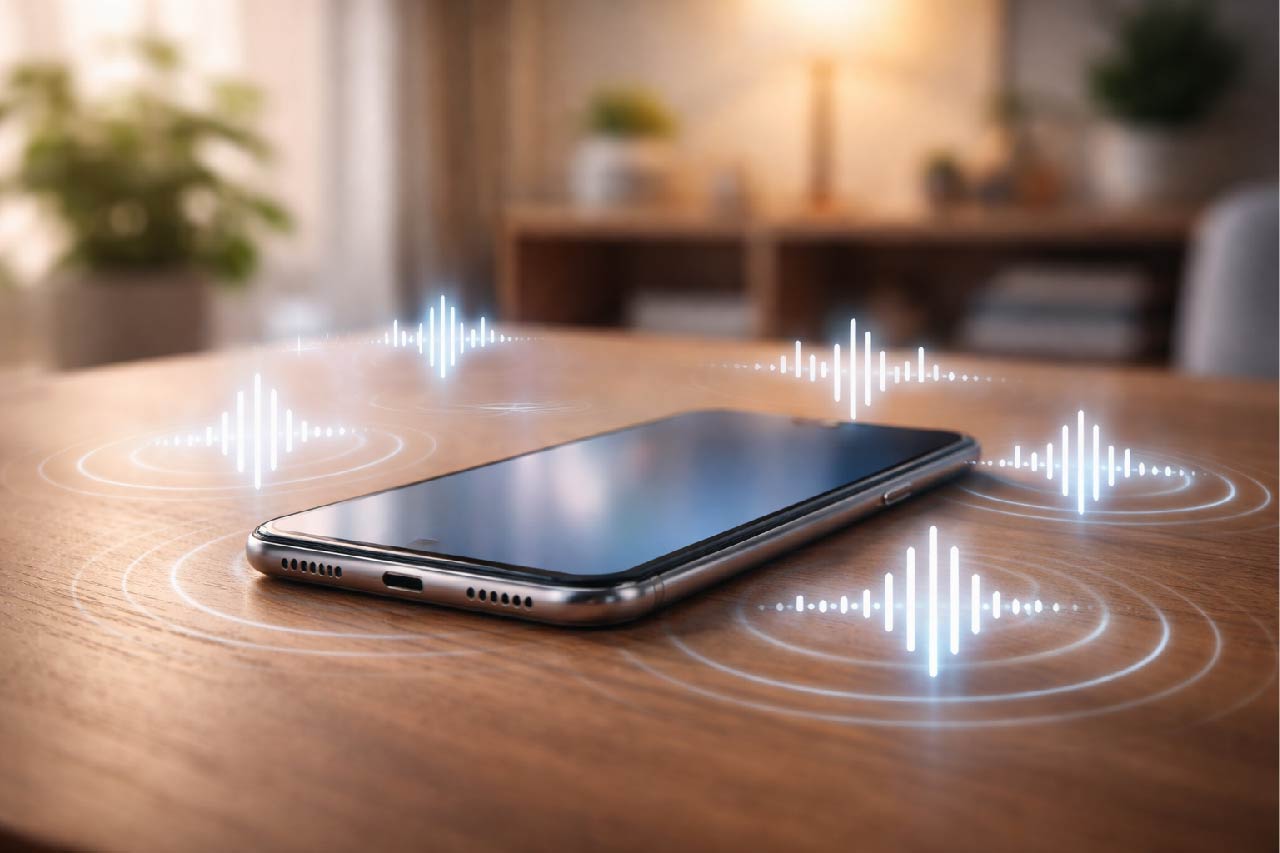
The microphone in your phone is active far more than you realize, but mostly in ways you notice very little. That tiny piece of hardware is waiting for triggers—commands like “Hey Siri” or “Okay Google,” voice notes you record, or apps that need sound to function. When these triggers are detected, the phone activates deeper listening temporarily. Outside of those triggers, apps generally don’t have free rein to capture every conversation.
1. When Your Phone “Listens” Without You Realizing
Think about the last time you used your phone in public. You might have asked for directions, checked the weather, or recorded a voice memo. Many apps are granted access to your microphone during that brief moment. That access can sometimes remain active in the background if the app isn’t designed properly—or if it’s poorly coded—but most reputable apps only use it while open or when you explicitly allow them.
Social media apps, messaging apps, and voice assistants are the ones most commonly connected to your microphone. They don’t sit there recording everything, but they do have systems that detect sound patterns. For instance, if you use voice typing in a messaging app, the app temporarily accesses the microphone to interpret what you’re saying. It doesn’t store every word forever, but it can process snippets in real time.
Even something as innocent as holding your phone near a TV or radio can trigger these systems. Ads aren’t magically reading your mind. Many of them use data from your app usage, location history, and past searches. But hearing a few words through your microphone can help refine ad targeting. It’s less about constant recording and more about occasional, context-specific listening.
2. What Your Phone Actually Records
Your phone records more than voice commands, but the scope is specific. Audio snippets for voice assistants are one example—they’re usually stored temporarily to improve recognition. Apps that require sound, like audio note apps or video chat platforms, will actively record, but only when you’re using them.
Another type of recording is metadata. Your phone can note when sound is detected, how loud it is, or whether it matches a certain pattern. That data isn’t your words, but it tells apps that “something happened here.” It’s why your recommendations or ads sometimes seem eerily accurate even without the phone storing every conversation.
Some features, like dictation or voice search, might store short audio clips in the cloud to improve accuracy. These are generally small, anonymized, and tied to improving service rather than profiling you personally. What matters is the trigger—your phone isn’t recording all day long, but when you interact with certain features, snippets can be captured.
3. Why It Feels Like Your Phone Knows Too Much
A lot of what feels like “listening” is really pattern recognition. Your apps track what you type, where you go, what videos you watch, and the things you search for online. Combine that with occasional audio snippets, and algorithms can make educated guesses.
For example, you mention wanting a new pair of shoes in conversation, then later scroll through a shopping app. You see an ad for shoes, and it feels like your phone was eavesdropping. The reality is the ad likely arrived based on your browsing history, social media behavior, and even the behavior of people with similar interests—not necessarily that your phone was actively recording your private chat.
Even voice assistants, which seem like they’re always listening, are mostly passive until they detect a wake word. Engineers design them to ignore everything else to save battery and protect privacy. The technology is tuned to notice triggers without storing continuous streams of conversation.
4. Practical Ways to Stay in Control
You don’t need to panic, but it helps to understand your phone’s permissions. Check which apps have access to your microphone and camera. If an app doesn’t need it for core functionality, consider revoking that access. It’s not a perfect shield, but it limits exposure.
Turning off features like personalized ads or voice assistant suggestions can also reduce the amount of context your phone gathers. These settings often don’t stop the phone from hearing commands, but they prevent extra processing that could make predictions about your behavior.
Keeping your system updated matters too. Phones routinely release patches that tighten microphone access or improve privacy protections. A forgotten update could leave features active that are supposed to be limited.
Finally, trust your instincts. If an app behaves strangely or requests permissions that don’t make sense, question it. You don’t need to overthink every word you say around your phone, but staying aware keeps you in control.
Phones don’t need to record your entire life to know a lot about you. They pick up snippets, note patterns, and combine them with other data to create context. The microphone isn’t a silent spy; it’s a tool, active mostly on demand. Understanding how it works lets you use it without giving up more privacy than necessary.
5. Why Ads Feel Psychic Without Recording You
This is where most people get confused.
Advertising systems are extremely good at prediction. If enough people who share your habits talk about or search for something, the system assumes you might care too. Sometimes it guesses right right after you’ve mentioned something aloud. That timing makes it feel personal.
What’s really happening is correlation, not eavesdropping. Your behavior pattern already pointed in that direction. The spoken conversation just happened to line up.
It’s unsettling, but it’s math, not magic.
6. The Role of Background App Permissions
Here’s the part people underestimate. Permissions granted once can stay active for a long time.
An app doesn’t need to misuse audio to feel invasive. If it knows when you’re active, where you are, what content you interact with, and how long you linger, it can infer intent without hearing a word.
Microphone access becomes just one signal among many. Limiting it helps, but it’s not the whole picture.
7. When Listening Goes Wrong
Mistakes happen. Wake words get misheard. Background noise triggers recording unintentionally.
These events are rare, but they’re real. When they occur, the system usually discards the data automatically. It’s not useful without a clear command.
The bigger risk isn’t rogue listening. It’s silent accumulation of behavioral data over time. That’s what shapes recommendations, suggestions, and ads.
8. Staying Aware Without Becoming Paranoid
You don’t need to whisper around your phone. You also don’t need to trust it blindly.
Awareness is enough. Knowing which apps have microphone access. Understanding that convenience features come with tradeoffs. Turning off what you don’t use.
Privacy isn’t about hiding. It’s about choosing what you give away intentionally.
Key Takeaways
- Your phone listens for triggers, not full conversations
- Audio snippets are short and context-specific
- Behavioral data matters more than recorded speech
- Ads rely on patterns, not secret recordings
- Microphone access is only one part of a bigger system
- Awareness reduces risk more than fear ever will
Conclusion
Your phone isn’t secretly recording your life minute by minute. That idea is dramatic, but inaccurate.
What it is doing is constantly collecting small signals—some from sound, most from behavior—and using them to predict what matters to you. That system doesn’t need to understand your conversations to feel personal. It just needs enough data points.
Once you see that clearly, the mystery disappears. What’s left isn’t paranoia. It’s choice.